

TECHNOLOGY
Why chemical looping changes the waste-to-energy equation
EvoGenesis Research
August 21, 2026
5 min read
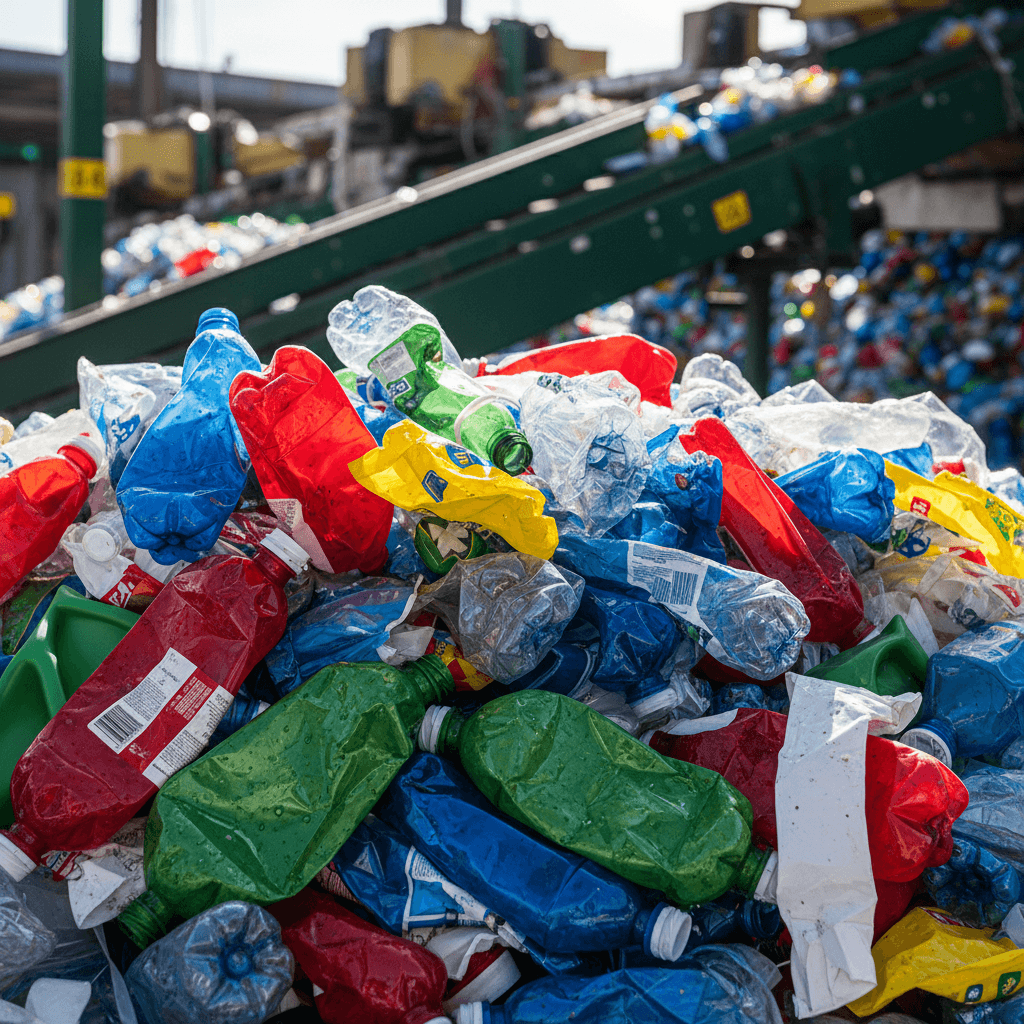
Recycling works best when materials are clean, consistent, and economical to separate. Many plastic, tire-derived, and organic streams do not fit that model. They may be mixed, contaminated, composite, or costly to prepare, even though they still contain substantial energy and chemical value.
Chemical looping creates another path. Instead of mixing waste directly with air, the process uses a circulating solid carrier to deliver oxygen and move heat between separate reaction environments.
“Chemical looping changes the waste-to-energy equation by controlling where oxygen goes, where heat is released, and how each gas stream is formed.”
Where existing systems reach their limits
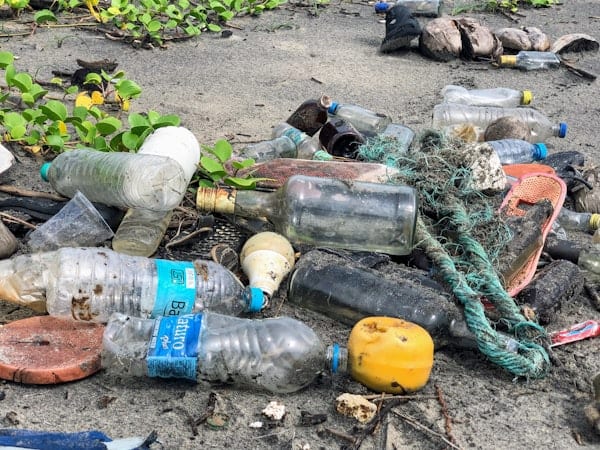
Global plastic waste reached 353 million tonnes in 2019, and only 9% was ultimately recycled, according to the OECD. Used tires and organic byproducts bring different challenges, but the commercial question is similar: can a consistent material stream be matched with a process and market that put its remaining value to work?
GenesisLoop™ is intended for selected streams with known composition, preparation requirements, and supply. Every opportunity begins with material testing and project-specific engineering.
Waste is not chemically empty. The commercial opportunity is to recover its remaining value with better reaction control and integrated energy use.
Why the process architecture matters
Incineration, pyrolysis, gasification, and chemical looping use different reaction mechanisms and create different output streams. The right choice depends on the material, site, product requirements, environmental controls, and project economics.
GenesisLoop™ is distinguished by how it delivers oxygen. The waste does not contact air directly in the conversion reactor. Revodox™ carries oxygen into that reactor, allowing the system to limit nitrogen dilution and keep the primary product gases separate from the air-regeneration stream.
“The difference begins inside the reactor: oxygen arrives on a solid carrier instead of entering with a large flow of air.”
What GenesisLoop™ does differently
GenesisLoop™ uses Revodox™, a regenerable solid oxygen carrier, to convert carbon-rich material into useful gas streams. The material does not contact air directly in the conversion reactor. Instead, Revodox™ delivers oxygen in controlled amounts as larger molecules are broken apart and reformed into syngas.
When a project includes a steam reactor, the oxygen-depleted carrier reacts with steam to produce a separate hydrogen-rich gas stream. Air then restores Revodox™ in an exothermic reaction, and the hot carrier returns oxygen and heat to the active loop.
This architecture provides precise control over reaction conditions, limits nitrogen dilution in the primary product gas, keeps process streams separate as they form, and reduces the purchased thermal energy required after startup.
A strong research foundation
GenesisLoop™ builds on decades of chemical-looping research led by Dr. Liang-Shih Fan at The Ohio State University. That body of work covers oxygen carriers, gas-solid reactor systems, syngas and hydrogen pathways, carbon separation, and operation at laboratory and pilot scales.
Related technology has also advanced through U.S. Department of Energy programs and industrial work with Babcock & Wilcox. EvoGenesis is applying its licensed Ohio State foundation to selected plastic, tire-derived, and organic feedstocks, then integrating the material handling, cleanup, controls, heat recovery, and commercial partnerships required for complete projects.
Why the commercial opportunity is taking shape
The opportunity sits at the intersection of two real needs. Material suppliers need better destinations for waste that does not fit conventional recycling. Industrial customers need dependable hydrogen-rich gas, syngas, and energy at the right specification and location.
GenesisLoop™ is designed to connect those needs in one project. The strongest opportunities combine a consistent waste supply, a suitable host site, a defined energy market, experienced engineering partners, and contracts that support long-term operation.
Chemical looping brings a powerful scientific foundation. EvoGenesis is building the commercial platform around it.
Sources reviewed
- Ohio State research on environmental waste and chemical looping
- Babcock & Wilcox BrightLoop technology overview
- OECD Global Plastics Outlook
These sources provide context for the article. Project-specific performance, product specifications, and economics require separate validation.
IN THIS ARTICLE
Follow EvoGenesis
Get company news, research notes, and project updates from EvoGenesis.
ABOUT THE AUTHOR
EvoGenesis Research
EvoGenesis Research explains the science, engineering, markets, and partnerships behind chemical looping and the GenesisLoop™ commercial platform.
KEEP READING
More from News & Insights.

NEWS & INSIGHTS
Follow the next stage of the work.
Get clear explanations of the technology, research updates, and company news from EvoGenesis.


EvoGenesis transforms plastic waste, used tires, and biological waste into valuable energy resources through the GenesisLoop™, powered by Revodox™.
INVESTORS
© 2026 EvoGenesis Inc. All rights reserved.