

COMPANY
What happens when recycling is not a practical option
EvoGenesis
August 21, 2026
4 min read
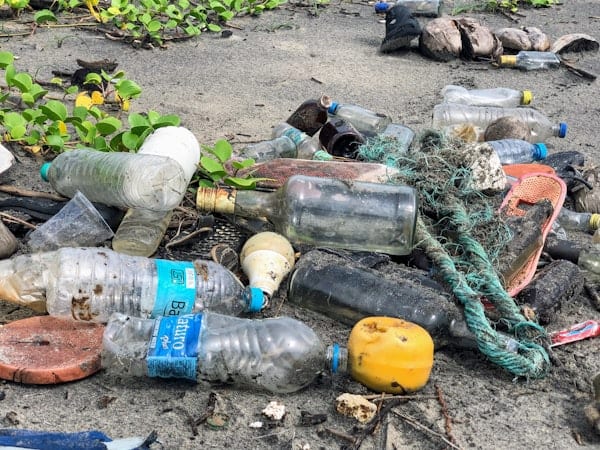
Walk through any supermarket and the word "recyclable" is everywhere. On bottles, bags, packaging, containers. It implies a closed loop — that these materials have somewhere to go after use. For most of them, the reality is far more complicated.
The global recycling system was not designed for complexity. It was designed for clean, homogenous streams: clear PET bottles, aluminum cans, corrugated cardboard. When materials are mixed, contaminated, composite, or simply too difficult to sort economically, they exit the system. They go to landfill, or to incineration at low efficiency. The energy locked inside is discarded with them.
“Recyclable does not always mean recycled. Some materials need another practical path after reuse and recycling options run out.”
Where recycling reaches its practical limits
Recycling infrastructure performs best with clean, consistent, high-value material streams. Mixed polymers, additives, contamination, composite construction, moisture, ash, and difficult separation can make other streams uneconomical to process.
The OECD estimates that the world generated 353 million tonnes of plastic waste in 2019 and ultimately recycled about 9%. Tire-derived and organic materials bring different challenges, but they share an important characteristic: they can retain substantial energy even when conventional recycling is not a practical destination.
That does not make every waste stream suitable for GenesisLoop™. Composition, preparation, contaminants, supply, site, gas cleanup, and market value must be evaluated together.
Waste can retain substantial energy and chemical value after conventional recycling options run out. Better conversion technology can put more of that value to work.
Recyclable does not always mean recycled
The recycling narrative has done something unintentionally harmful: it created a permission structure for producing hard waste. If something is labeled recyclable, the implication is that the system will handle it. In practice, the system handles only the easy cases. Everything else accumulates.
This is not a criticism of recycling. Recycling is essential for the streams it handles well, and investment in recycling infrastructure is worthwhile. It is a recognition that recycling has a domain — and that outside that domain, a fundamentally different approach is needed.
Extended producer responsibility legislation is beginning to close the gap between what is labeled recyclable and what is actually recycled. But regulation alone does not solve the infrastructure problem. Somewhere, the difficult streams need to go. And the alternatives — landfill and conventional incineration — are both under increasing pressure.
“Recycling is the right answer when it works. GenesisLoop™ is intended for selected streams that need another commercially useful path.”
A different question
GenesisLoop™ starts with a different engineering question: what changes when the material does not contact air directly in the conversion reactor?
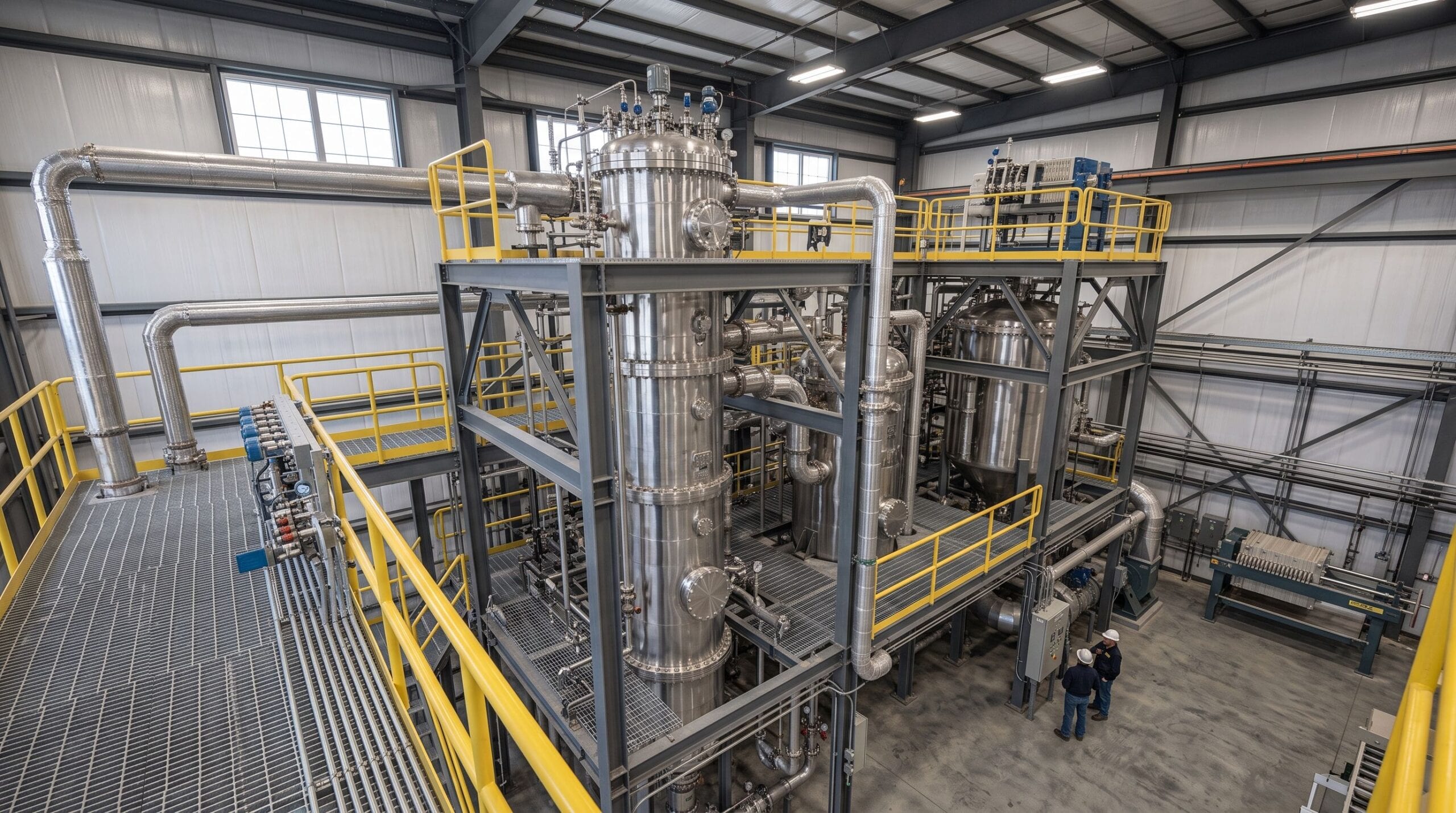
Revodox™, a regenerable solid oxygen carrier, delivers oxygen in controlled amounts as carbon-containing material is converted into useful gases. Separate reaction environments provide control over oxygen, temperature, steam, circulation, and reaction time.
Air regenerates Revodox™ in an exothermic reaction. The hot carrier returns oxygen and heat to the loop, reducing the external heat the core process needs after startup. Hydrogen-rich gas, syngas, recoverable heat, and a concentrated CO₂-rich stream follow distinct process paths.
What this means in practice
For material managers, GenesisLoop™ can create another path for selected streams that do not have a practical reuse or recycling route. Project economics depend on the material contract, preparation requirements, transport, operating costs, and value of the resulting gas and energy.
For energy buyers, the platform can provide a regional source of hydrogen-rich gas or syngas when a suitable material supply, project site, and product specification come together.
The gap between “recyclable” and “recycled” is an infrastructure problem. GenesisLoop™ expands the set of tools available to solve it by recovering energy and chemical value that would otherwise be discarded.
Sources reviewed
These sources provide context for the article. Project-specific performance, product specifications, and economics require separate validation.
IN THIS ARTICLE
Follow EvoGenesis
Get company news, research notes, and project updates from EvoGenesis.
ABOUT THE AUTHOR
EvoGenesis
EvoGenesis commercializes GenesisLoop™, an advanced chemical-looping platform that converts waste into hydrogen-rich gas, syngas, and recoverable energy.
KEEP READING
More from News & Insights.

NEWS & INSIGHTS
Follow the next stage of the work.
Get clear explanations of the technology, research updates, and company news from EvoGenesis.


EvoGenesis transforms plastic waste, used tires, and biological waste into valuable energy resources through the GenesisLoop™, powered by Revodox™.
INVESTORS
© 2026 EvoGenesis Inc. All rights reserved.