

SCIENCE
The energy already inside waste
EvoGenesis Research
August 21, 2026
4 min read
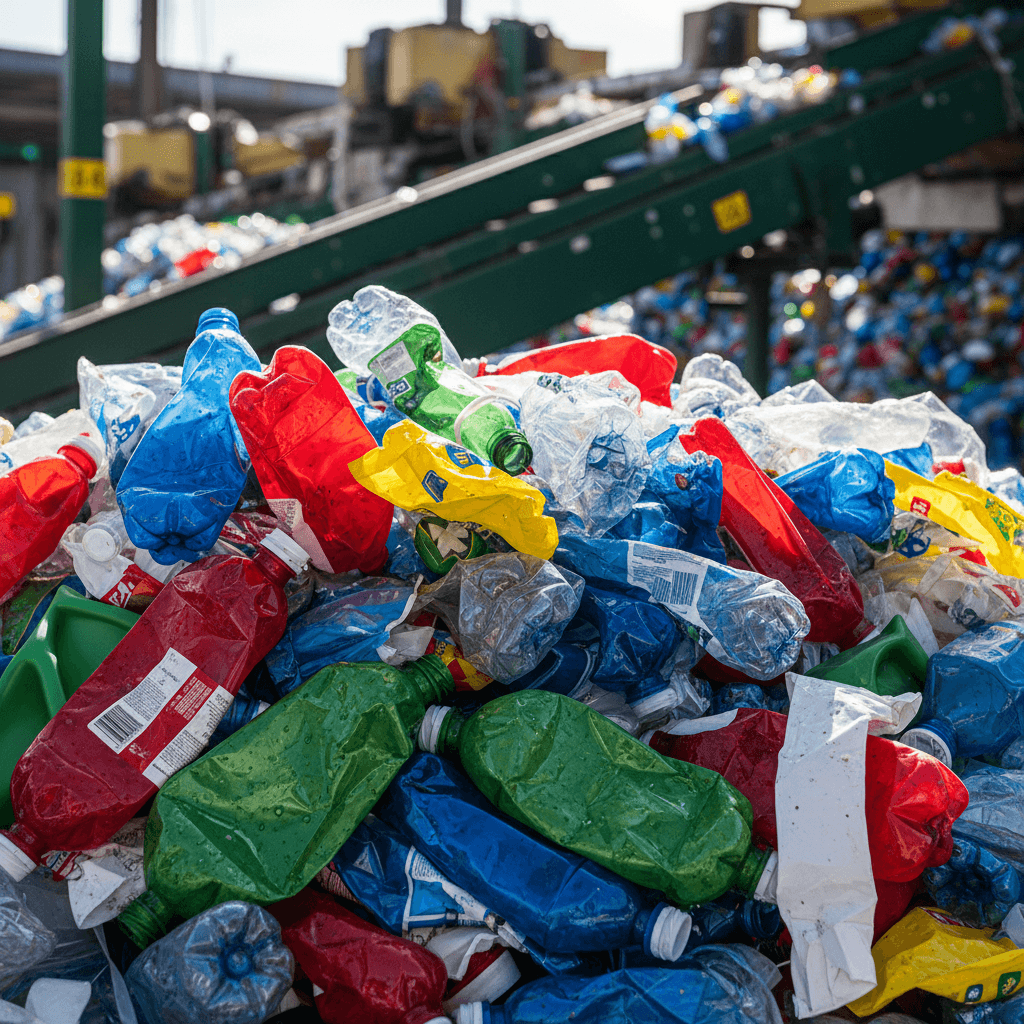
Waste does not become chemically empty when it is discarded. Plastics, tire-derived materials, and organic feedstocks can retain substantial energy in their molecular bonds.
Calorific value provides a useful starting point, but it is not a project forecast. Actual product yield and economics depend on composition, moisture, ash, contaminants, preparation, reactor conditions, gas cleanup, and the market the project is built to serve.
“The energy is already inside the material. GenesisLoop™ is engineered to recover more of that value through controlled chemistry and integrated heat use.”
Calorific value: the baseline comparison
Published engineering references commonly place many polyolefin plastics in a high-energy range, often above typical steam coal on a mass basis. Tire-derived rubber can also contain substantial energy, while organic materials vary more widely because moisture and ash have a strong effect.
Those comparisons explain why discarded materials can be valuable feedstocks, but they do not determine system performance by themselves. EvoGenesis evaluates each stream through material characterization and project-specific engineering.
Energy content is only the starting point. Feedstock quality, reaction control, gas cleanup, heat integration, and product value determine whether a project works.
What the calorific value actually represents
Calorific value tells you the total energy available in a feedstock. It does not tell you how much of that energy can be recovered as useful product by a given conversion technology — that depends on the process efficiency and the conversion pathway.
Conventional incineration converts calorific value to heat at efficiencies of 60–80% in well-designed facilities, but the output is heat and steam — a lower-value product than separated gas streams. Pyrolysis produces a mix of oils, gas, and char, but the distribution depends heavily on feedstock composition and process conditions.
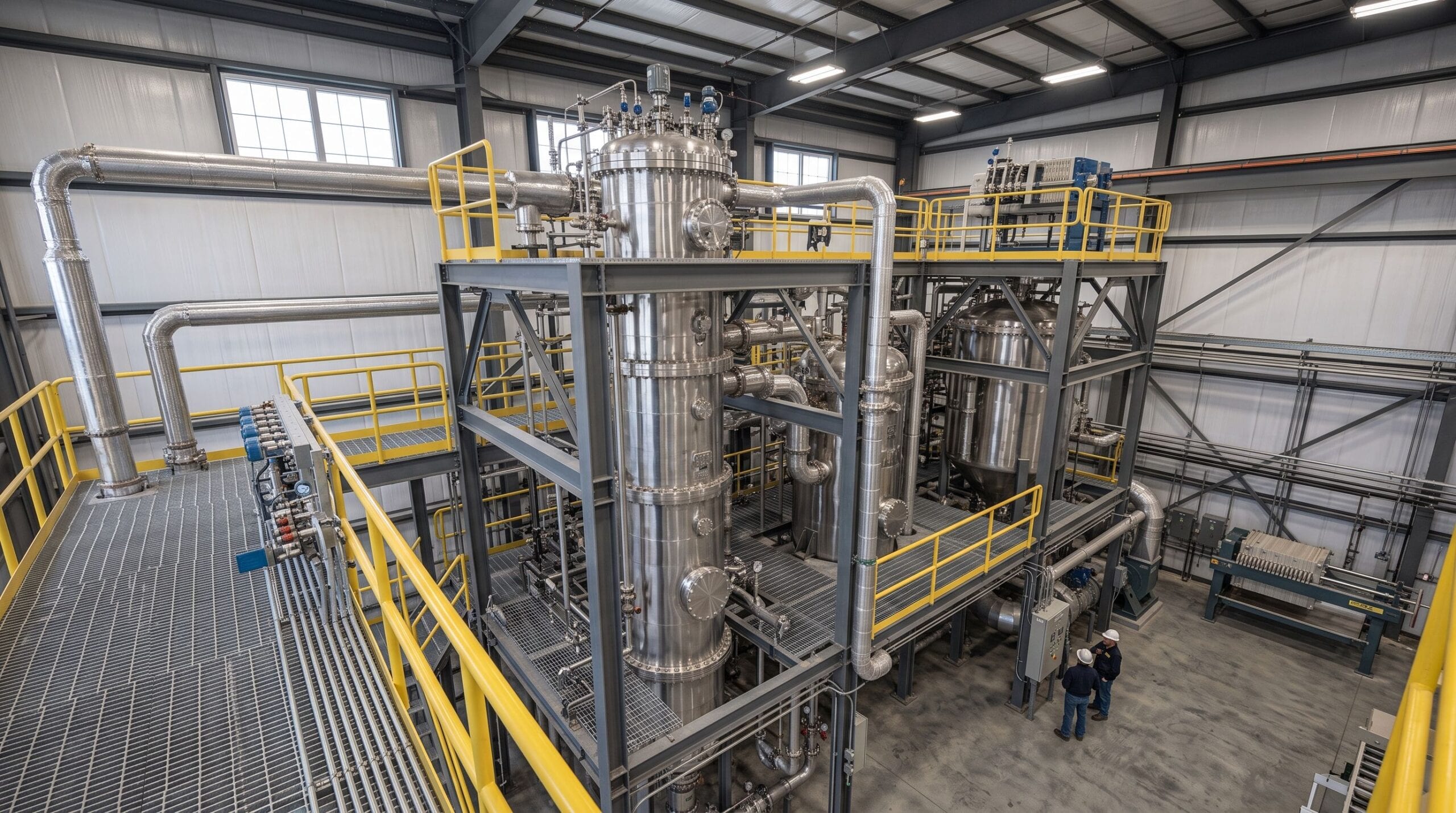
GenesisLoop™ converts the calorific value of the feedstock into syngas and hydrogen through thermochemical conversion mediated by Revodox™ oxygen-carrier media. The three-stage reactor architecture separates the outputs by design, producing a syngas stream from the Fuel Reactor and a hydrogen-rich stream from the Steam Reactor. The theoretical hydrogen yield from plastics via this pathway is substantial — and the absence of nitrogen dilution means the outputs require less downstream processing to reach commercial specification.
Selected plastic streams can contain substantial energy and may offer consistent composition when they come from a controlled source. Their suitability depends on polymers, additives, contaminants, preparation requirements, feeding behavior, gas composition, and project economics.
The main handling consideration is size reduction: plastics require shredding or granulation to produce a feedstock of appropriate particle size for reactor introduction. Post-industrial plastics from manufacturing operations are often already in a form — offcuts, trim waste, regrind material — that reduces preparation requirements.
Tire feedstock: high energy, distinct handling
Used tire material — typically processed to crumb rubber after steel wire and fiber removal — has calorific value comparable to plastics and produces a different gas composition profile due to its sulfur content and the aromatic hydrocarbon character of synthetic rubber components.
Sulfur management is a design consideration for tire feedstock. GenesisLoop™'s reactor architecture manages this differently from combustion-based systems — the absence of direct air contact limits the formation of SOx compounds — but downstream gas conditioning is required to manage hydrogen sulfide in the output streams for tire-heavy feedstock mixes.
Tire-derived material can contain substantial energy, but sulfur, steel, fiber, additives, preparation, and gas conditioning all affect technical fit and project economics. Co-location may reduce handling and transport, but it must be evaluated for each project.
“The commercial opportunity begins with energy already present in the material, then improves through precise reaction control and integrated heat recovery.”
Organic feedstock: volume and co-processing
Organic materials bring different energy content, moisture, ash, preparation, and gas-cleanup requirements than plastics or tires. Their value is strongest where consistent supply, preprocessing, location, and the intended energy market fit the project.
GenesisLoop™ can evaluate individual streams or engineered blends. In every case, the goal is the same: control the chemistry, recirculate internally generated heat, keep gas streams separate, and convert more of the material’s energy into a marketable product.
The energy is already there. GenesisLoop™ is the platform for putting it to work.
Sources reviewed
These sources provide context for the article. Project-specific performance, product specifications, and economics require separate validation.
IN THIS ARTICLE
Follow EvoGenesis
Get company news, research notes, and project updates from EvoGenesis.
ABOUT THE AUTHOR
EvoGenesis Research
EvoGenesis Research explains the science, engineering, markets, and partnerships behind chemical looping and the GenesisLoop™ commercial platform.
KEEP READING
More from News & Insights.

NEWS & INSIGHTS
Follow the next stage of the work.
Get clear explanations of the technology, research updates, and company news from EvoGenesis.


EvoGenesis transforms plastic waste, used tires, and biological waste into valuable energy resources through the GenesisLoop™, powered by Revodox™.
INVESTORS
© 2026 EvoGenesis Inc. All rights reserved.